Choosing a Dairy-Free Milk: Which One Works for What?
- 08 Jul, 2026
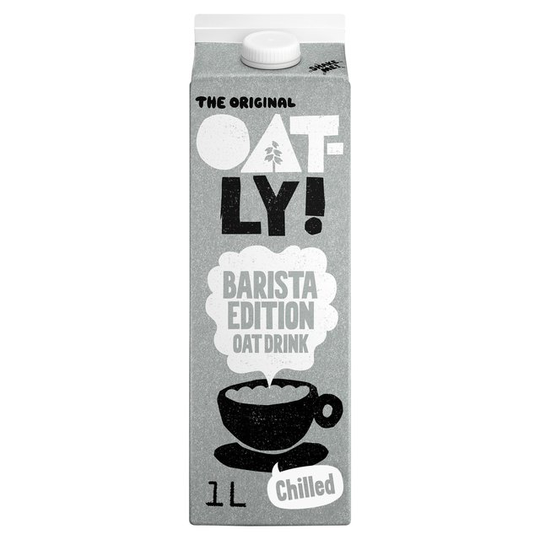
The shelf of plant-based drinks has grown so much that choosing one can feel like a small research project. Oat, almond, soy, coconut, rice, pea and blends of several of them all sit next to each other, often in plain, unsweetened, barista and flavoured versions. The truth is that no single dairy-free milk is best for everything. Each one behaves differently in coffee, on cereal and in the oven, so it helps to choose by use.
A Quick Look at the Main Types
- Oat: naturally a little sweet and creamy, with a mild flavour that suits most uses. It is a popular all-rounder and a common choice for coffee.
- Almond: lighter and thinner, with a subtle nutty taste. It works well on cereal and in smoothies, but can feel watery in hot drinks.
- Soy: fuller bodied and typically higher in protein than most other plant drinks, which makes it useful in cooking and baking.
- Coconut: the drinking version is light with a clear coconut flavour. It suits curries, desserts and tropical smoothies more than tea.
- Rice: very mild and thin, and a common option for people who avoid nuts and soy.
For Coffee and Tea
Hot drinks are where plant milks differ most. Some can separate or curdle when they meet hot, acidic coffee, and many do not foam well. That is why several brands make a barista version, which is designed to blend smoothly and create a stable foam for lattes and cappuccinos. An oat drink such as Oatly Oat Drink Barista is a good place to start if you make milky coffee at home. A tip that helps with any plant milk: pour the milk in first and add the coffee slowly, or let the coffee cool for a moment before adding the milk.
For Cereal, Smoothies and Cooking
On cereal, flavour matters more than texture. Almond and oat are popular, and unsweetened versions let the fruit or granola do the talking. In smoothies almost any type works, so pick the one you like the taste of.
For savoury cooking, such as white sauces, soups or mashed potato, an unsweetened soy or oat drink is usually the safest choice because the flavour stays in the background. Avoid vanilla or sweetened versions here, as the sweetness can be surprisingly noticeable in a savoury dish.
For Baking
In most cake, pancake and muffin recipes you can swap cow's milk for a plant drink in the same amount. Soy and oat give results closest to dairy thanks to their body. If a recipe calls for buttermilk, a common trick is to stir a little lemon juice or vinegar into soy milk and let it stand for a few minutes. For more ideas, see our earlier post on how to bake a delicious dairy-free cake.
What to Check on the Label
Before you buy, it is worth reading the pack, as products vary a lot even within one type:
- Sweetened or unsweetened: many plain versions contain added sugar.
- Fortification: some drinks have added calcium and vitamins, others do not.
- Allergens: check for nuts, soy and gluten if these matter to you or your family. Oat drinks are not always certified gluten free.
- Chilled or long life: long life cartons are handy to keep in the cupboard, but follow the storage advice once opened.
If you are changing your diet for health reasons, for example because of an allergy, it is a good idea to talk to your doctor or a dietitian about which drink fits your needs. For everyday use, the simplest approach is to try two or three types and keep the one that fits how you actually use milk. You can compare the full range in our dairy-free milk category.