
The main types
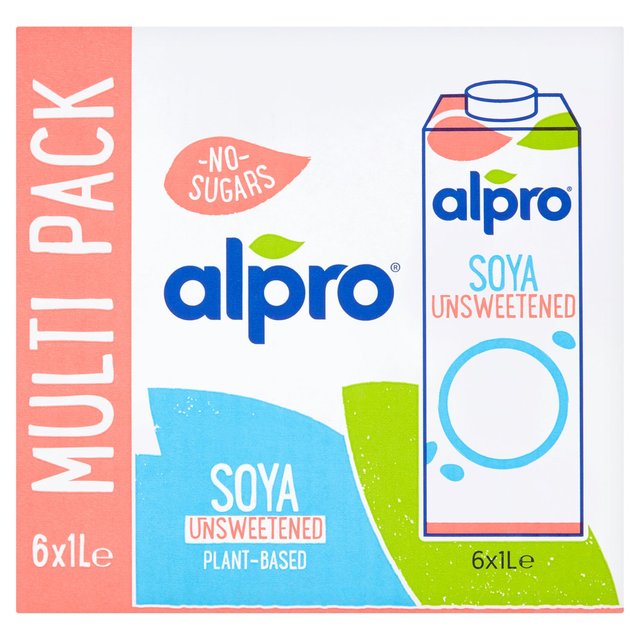
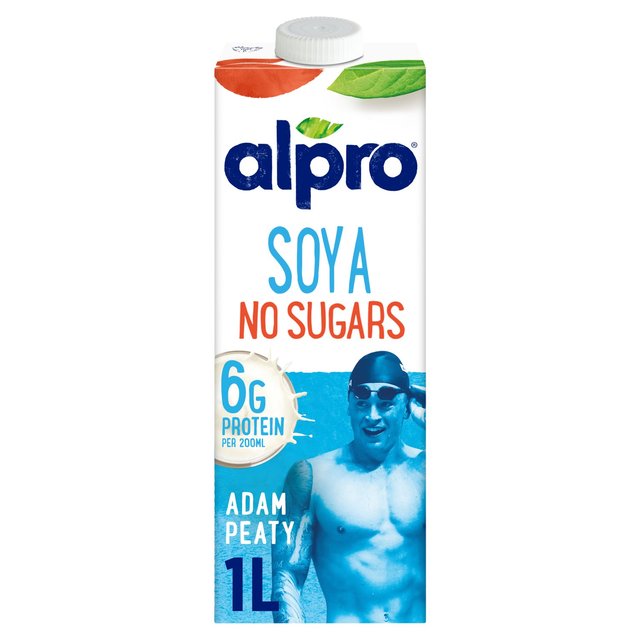
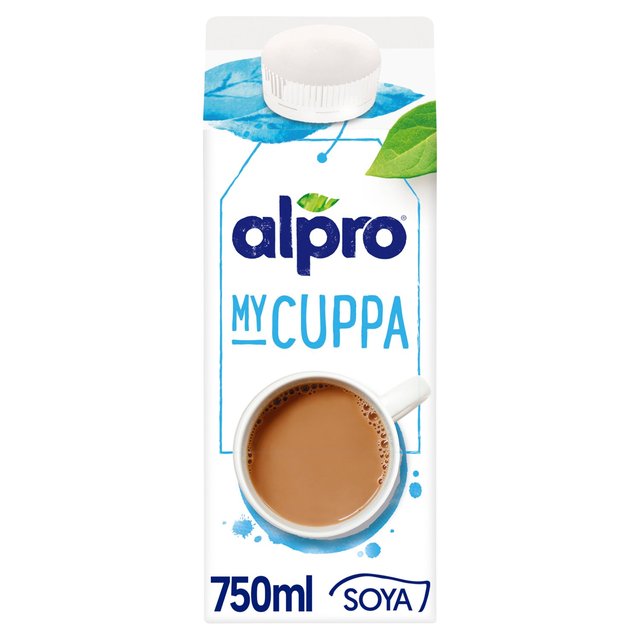
- Soya: the closest to cows’ milk in protein, with a neutral taste. Good for cereal, tea, cooking and baking.
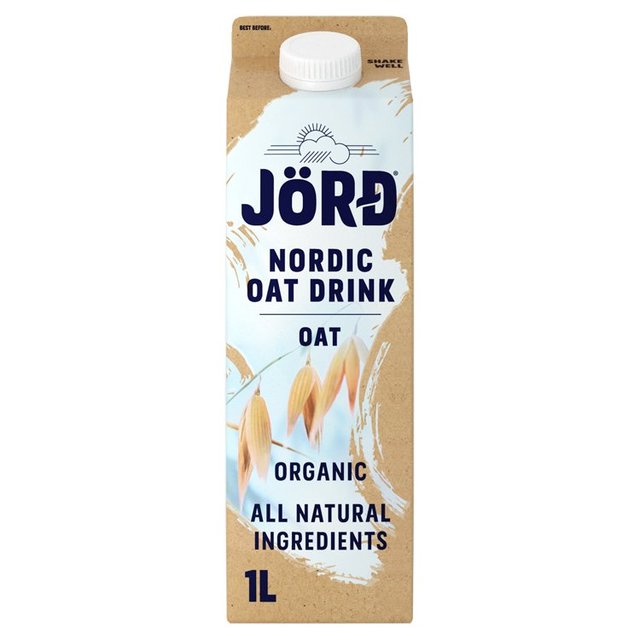
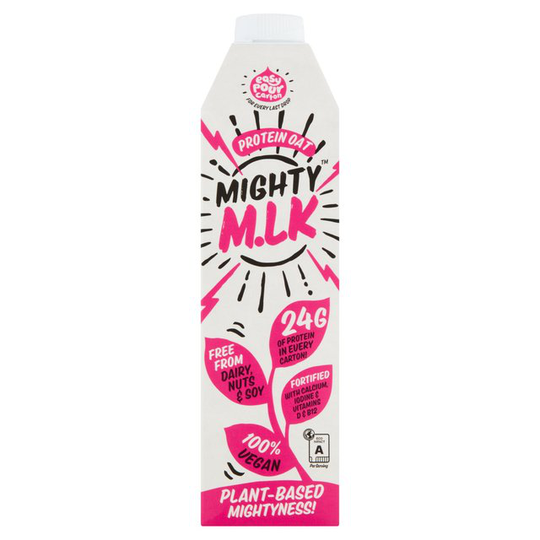
- Oat: creamy and slightly sweet, low in protein. The most popular choice for coffee and porridge.
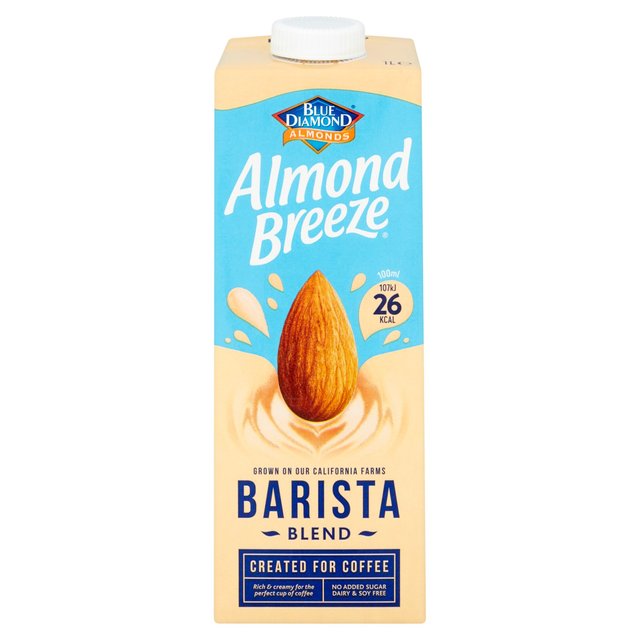
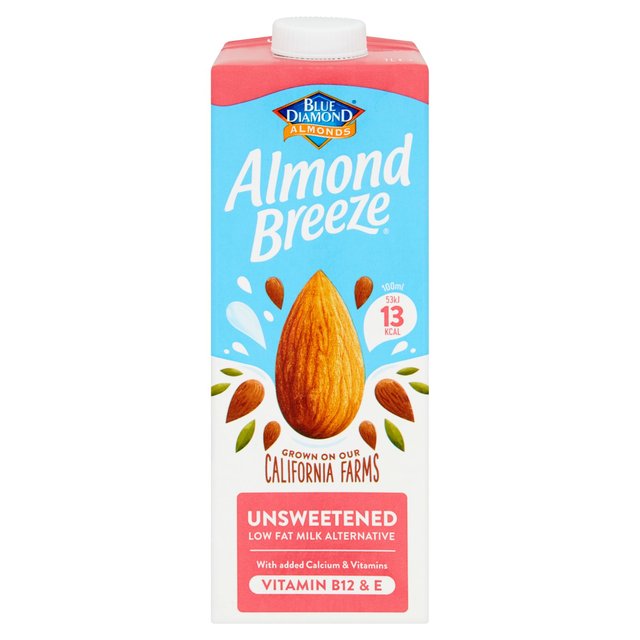
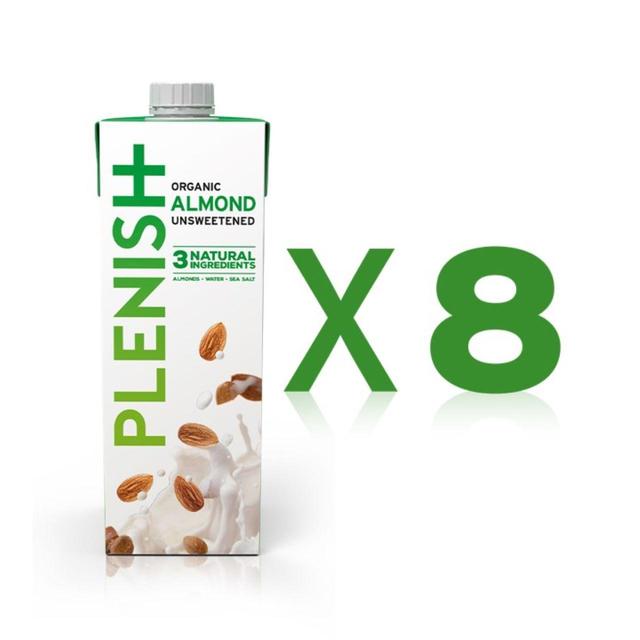
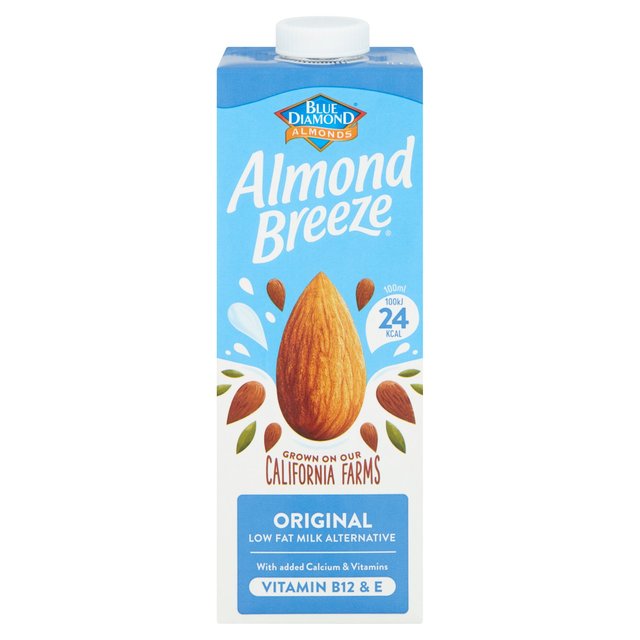
- Almond: light and nutty, very low in protein and calories.
- Coconut: light, with a coconut taste, good in smoothies and curries.
- Rice: thin and naturally sweet. The NHS advises against rice drinks for children under 5 because of arsenic levels in rice.
What to look for on the label
- Fortified: calcium and often vitamins B12, D and riboflavin added. Choose fortified if the drink replaces dairy in your diet. Iodine is added to some brands only.
- Unsweetened or no sugars: no added sugar. “Original” versions may be lightly sweetened.
- Organic: usually not fortified, because organic rules restrict added vitamins and minerals.
- Barista: made to foam and to resist splitting in hot coffee.
- Allergens: nut drinks are not suitable for nut allergies, and not all oat drinks are made with certified gluten-free oats.
Chilled or long life
Many drinks come in chilled and long life versions with similar recipes. Long life cartons keep in the cupboard until opened. After opening, both go in the fridge and should be used within the days printed on the pack.
For children
The NHS says unsweetened, calcium-fortified plant drinks can be given from 1 year as part of a balanced diet, but not as a main drink before 1. If a child avoids dairy because of an allergy, ask a GP, health visitor or dietitian which drink to use.
Using plant drinks in cooking
Soya drinks are the easiest swap in baking and white sauces, because their protein helps them behave more like milk. Oat drinks work well in porridge, pancakes and creamy soups. Almond and coconut drinks can taste of their main ingredient, which suits smoothies and desserts more than savoury dishes. Choose unsweetened versions for savoury cooking.
Brands and related ranges
Browse the Alpro, Oatly and Rude Health pages for each brand’s range. If you only need to avoid lactose, lactose-free milk is another option. The guide to choosing a plant-based milk compares the types in detail.
Common questions
Which plant milk has the most protein?
Soya drinks usually have the most protein, at a level close to cows’ milk. Oat, almond, coconut and rice drinks contain much less.
Are organic plant drinks fortified?
Usually not, because organic rules restrict adding vitamins and minerals. Check the ingredients and nutrition panel if calcium matters to you.
Can children drink oat milk?
NHS advice is that unsweetened, calcium-fortified plant drinks such as oat, soya and almond can be given from 1 year as part of a balanced diet. Rice drinks are not recommended under 5.