How to Store Cheese, Butter and Milk So They Last Longer
- 17 Mar, 2026
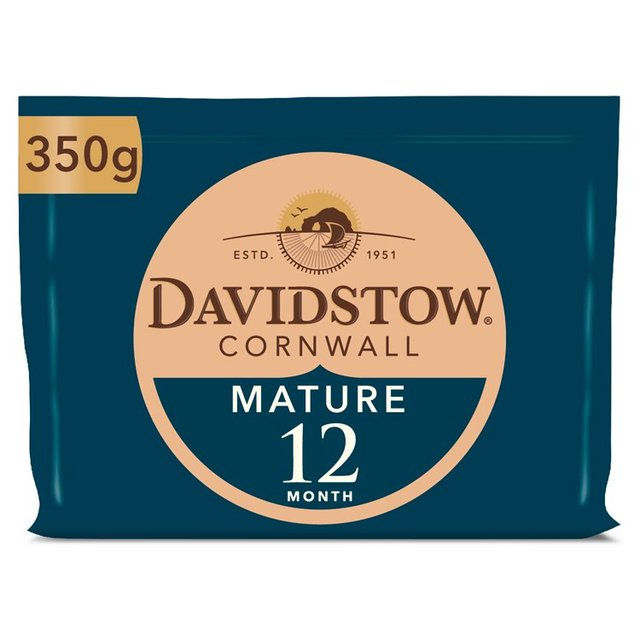
Buying good dairy is only half the job. How you store it at home decides whether that cheddar stays sharp and creamy or turns hard at the edges after a few days. Most of the problems we see in home fridges come down to a few small habits that are easy to change. Here is how to keep the most common dairy products in good condition.
Cheese: Let It Breathe, but Not Too Much
Cheese is a living food, and wrapping it tightly in cling film for weeks can make it sweat and pick up a plastic taste. On the other hand, leaving it uncovered dries it out. The middle ground works best:
- Wrap hard and semi-hard cheeses such as cheddar in waxed paper or baking paper, then place them in a loosely closed container or bag.
- Keep soft cheeses such as brie in their original packaging once opened, or in a lidded box, so they do not flavour everything else in the fridge.
- Store blue cheese separately and well wrapped, as its mould can spread to other cheeses.
- Use the vegetable drawer or a lower shelf if you can. These spots tend to be slightly less cold and more stable than the top of the fridge.
If a small spot of mould appears on a hard cheese, many people cut it away generously. Soft and fresh cheeses are a different matter, and when in doubt it is safer to throw them away.
Butter: Keep It Covered
Butter absorbs smells easily, so keep it in its wrapper or in a covered butter dish. A small amount can sit on the counter in a covered dish if you use it quickly and your kitchen is cool, which keeps it soft and spreadable. The rest belongs in the fridge. Butter also freezes well, so it is worth keeping a spare block in the freezer for baking. Our butter and spreads range includes salted and unsalted options for both uses.
Milk and Cream: Avoid the Door
The fridge door is the most convenient place for milk, but it is also the warmest part of the fridge because it is opened so often. If your milk tends to turn before the date on the bottle, try moving it to a shelf at the back. A few other habits help as well:
- Close the lid straight after pouring and put the bottle back in the fridge right away.
- Never pour milk that has been out on the table back into the bottle.
- Follow the storage advice on the pack once opened. Fresh, long life and plant-based drinks often have different instructions.
Cream follows the same rules. Once opened, keep it covered and use it within the time shown on the label.
Yoghurt and Fresh Dairy
Yoghurt, kefir and other fresh products are best kept sealed and towards the back of the fridge. Use a clean spoon each time you scoop from a large pot, as a used spoon introduces bacteria that shorten its life. If a liquid layer forms on top of natural yoghurt, that is normally just whey and can be stirred back in.
A Quick Fridge Check
Most home fridges work best when set to a few degrees above freezing, and a cheap fridge thermometer is an easy way to check yours. Avoid packing the shelves so full that air cannot circulate. Put new purchases behind older ones so the oldest products get used first. With these small changes your dairy will taste better for longer, and less of it will end up in the bin.