
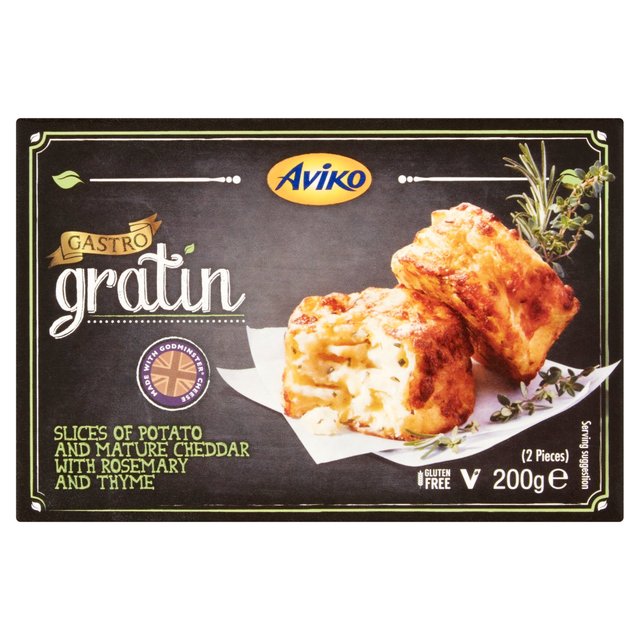
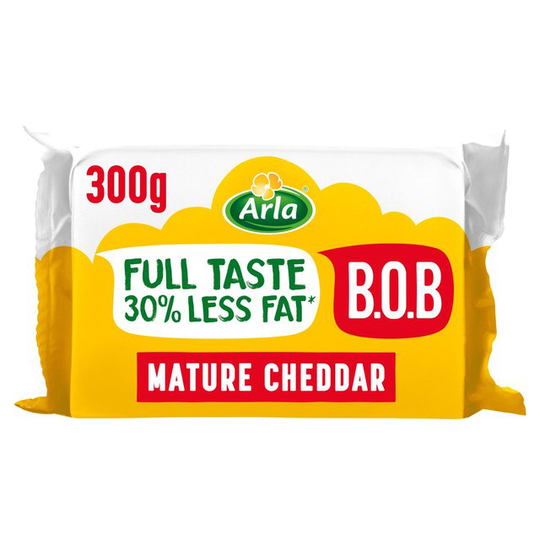
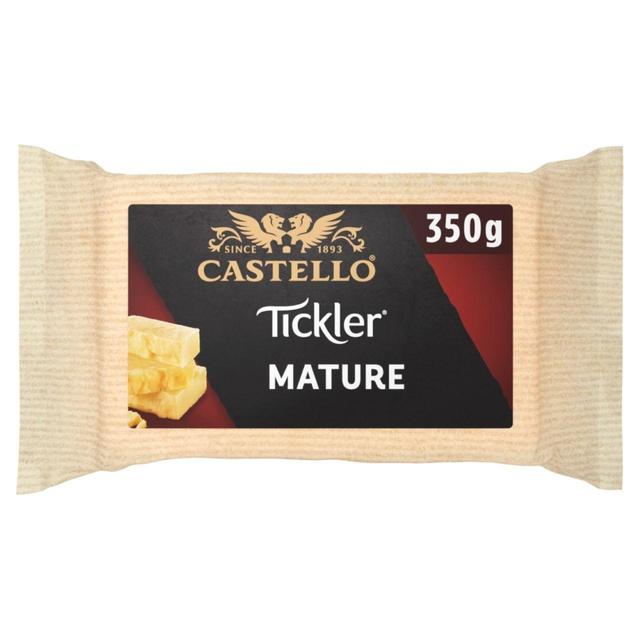
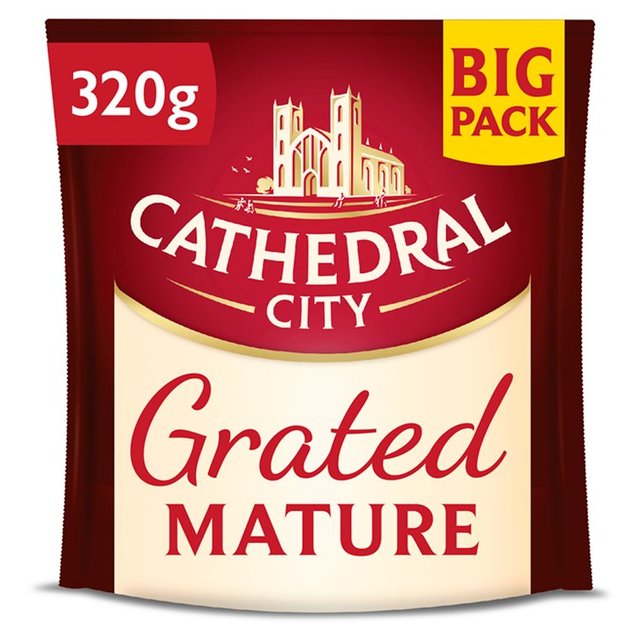

Mild to vintage
There is no legal definition of mild, mature or vintage, so producers set their own ages. As a rough guide:
- Mild: a few months old, soft and creamy. Good for children and for melting.
- Medium: a little more flavour, still smooth.
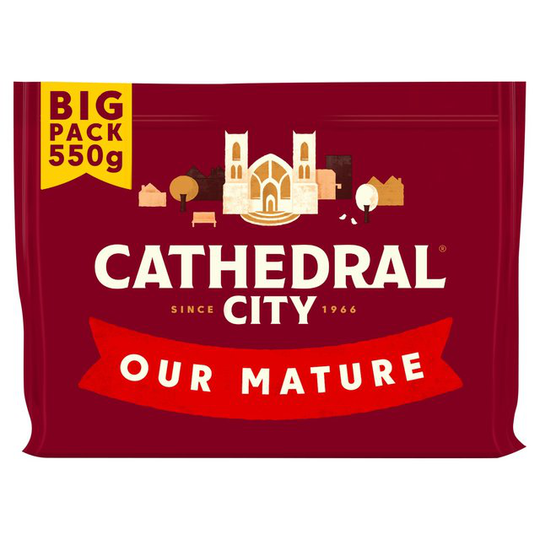
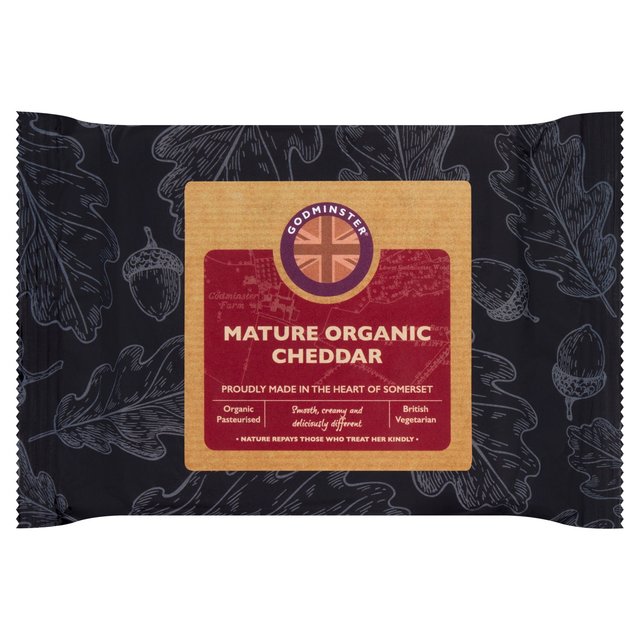
- Mature: often up to around nine months. The best all-rounder for sandwiches and sauces.
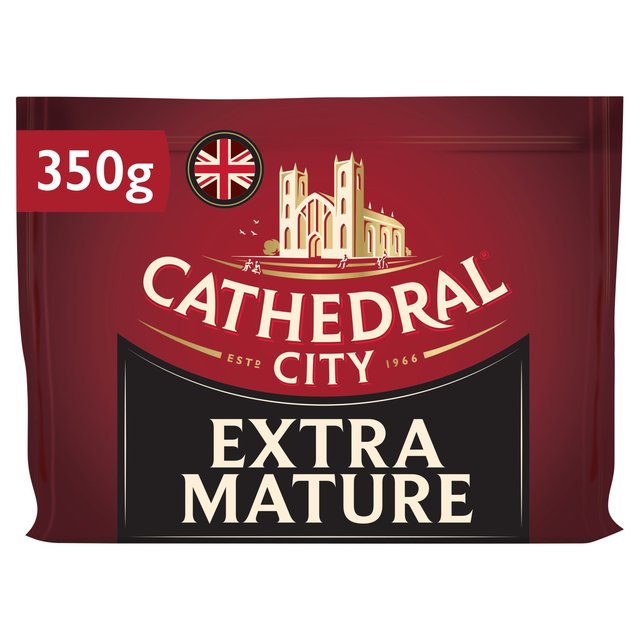
- Extra mature: about a year. Strong, slightly crumbly, great in cooking.
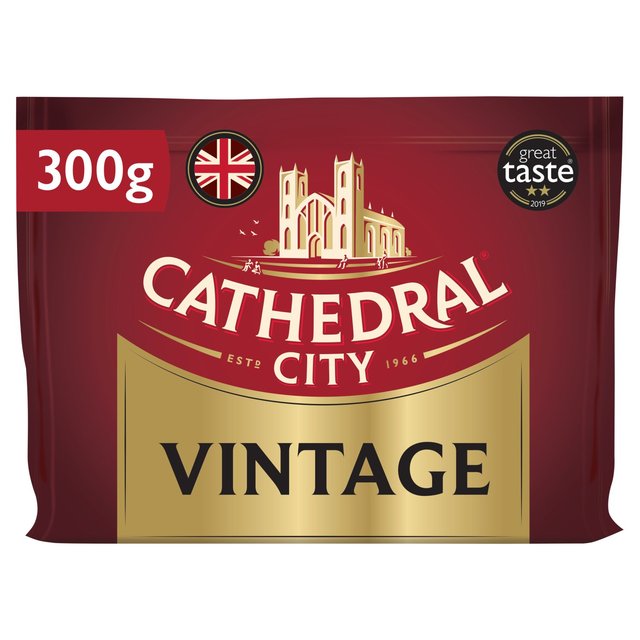
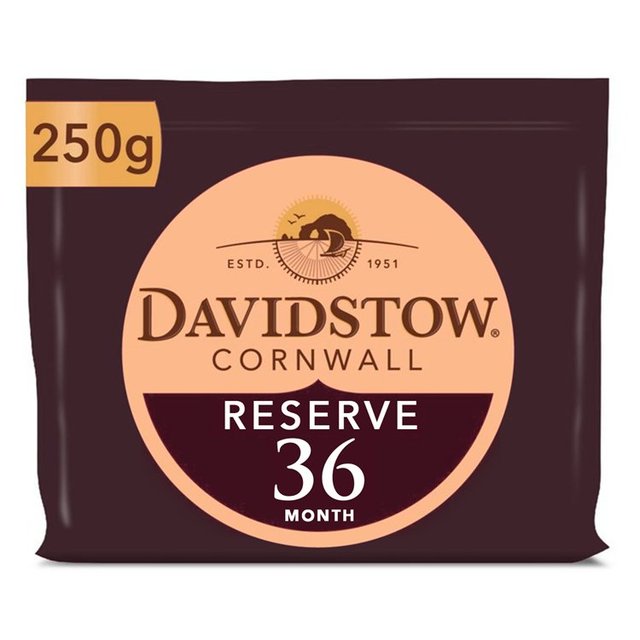
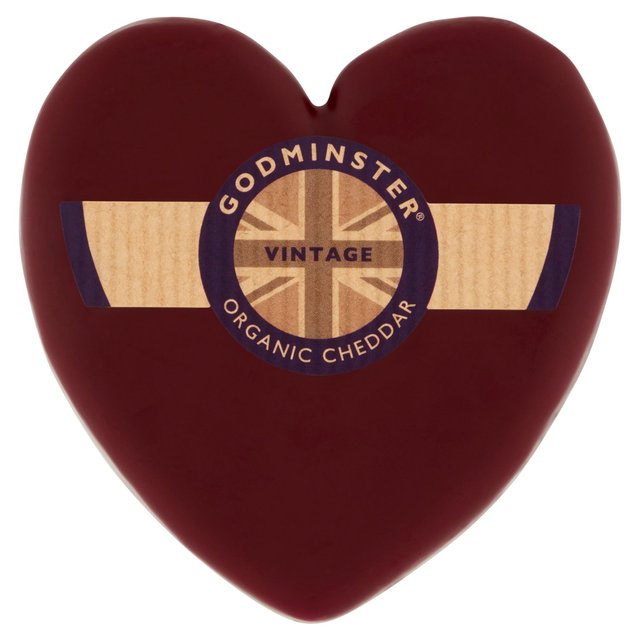
- Vintage: aged longer still, sharp and crumbly, sometimes with small crunchy crystals.
Many shops print a strength number on the pack, but each retailer uses its own scale, so compare within one shop or brand. The full guide on how to choose cheddar goes into more detail.
Block, farmhouse and protected names
Most cheddar is made in large blocks sealed in plastic, which gives a moist, consistent cheese. Farmhouse cheddar is often made in cloth-bound cylinders that dry slightly as they age and develop a deeper, earthier taste. West Country Farmhouse Cheddar is a protected name: it is made on farms in Somerset, Dorset, Devon and Cornwall and matured for at least nine months.
Monterey Jack is an American cheese that is milder and softer than cheddar and melts very smoothly, which is why it is popular in quesadillas and toasted sandwiches.
Choosing for cooking
- Sauces and macaroni cheese: mature or extra mature, so you need less for the same flavour.
- Toasties and cheese on toast: mild to mature melts more evenly.
- Savoury baking: extra mature gives the most taste.
- Grating: firmer, older cheese grates more easily.
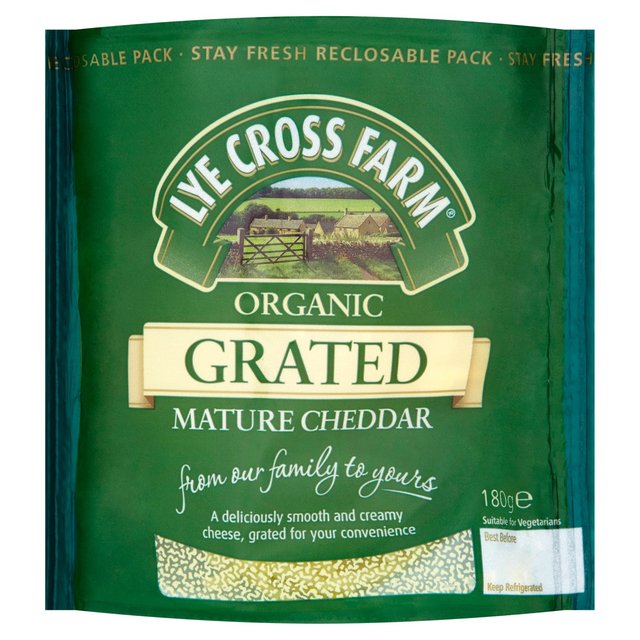
Grated cheese in bags usually contains a little starch to stop it clumping, which can make sauces slightly less smooth. Compare the price per kilo of grated and block cheese on the shop’s page.
Lactose-free and plant-based options
Mature cheddar is naturally very low in lactose, and some brands label their cheddar lactose-free. Plant-based cheddar-style blocks are usually based on coconut oil and starch; they suit vegans but contain little protein and melt differently. See the lactose-free section and the wider cheese range for more.
Common questions
What is the difference between mature and extra mature cheddar?
Mainly age. Extra mature is aged longer, so it is firmer and stronger. Ages vary between producers, as there is no legal definition.
Which cheddar melts best?
Younger cheddars, from mild to mature, melt more smoothly. Very old cheddar can turn oily when grilled, though it gives more flavour in sauces.
Is cheddar suitable for vegetarians?
Many cheddars are made with vegetarian rennet and say so on the pack. Some traditional cheeses use animal rennet, so check the label if this matters to you.