Lactose is the natural sugar in milk. To digest it, the body needs an enzyme called lactase. People with lactose intolerance make too little lactase, so lactose reaches the large intestine undigested and can cause wind, bloating, stomach pain or diarrhoea. It is uncomfortable, but it does not damage the gut.
Lactose-free dairy products solve this by doing the work in advance. The manufacturer adds lactase to ordinary milk, which splits the lactose into two simpler sugars, glucose and galactose, that are easy to absorb. The result is still cows’ milk, with the same protein, calcium and fat as the standard version. It just tastes a little sweeter, because glucose and galactose taste sweeter than lactose.
The most important thing to understand is that lactose-free is not the same as dairy-free. Lactose-free milk still contains milk protein, so it is not suitable for anyone with a cows’ milk allergy or for vegans.
Lactose-free, dairy-free or plant-based
| Product | Contains milk protein | Contains lactose | Suitable for |
|---|---|---|---|
| Ordinary milk and dairy | Yes | Yes | People without an intolerance or allergy |
| Lactose-free dairy | Yes | Little or none | Lactose intolerance |
| Dairy-free plant drinks and yoghurts | No | No | Lactose intolerance, milk allergy, vegans |
| Goats’ and sheep’s milk | Yes | Yes | Not a lactose-free option |
If you are unsure which applies to you, see your GP before cutting out dairy. Symptoms of lactose intolerance can overlap with other conditions, and a milk allergy needs a different approach. A dietitian can help you keep enough calcium in your diet.
Lactose-free milk and cream
Lactose-free milk is sold whole, semi-skimmed and skimmed, both fresh and long life, as you can see in the lactose-free milk range. You use it exactly like ordinary milk: in tea and coffee, on cereal, in sauces and baking. Lactose-free cream and spreads are also available for cooking.
Points to check on the pack:
- The words “lactose-free” or “lactose free” on the label. A brand name that sounds light or free is not enough.
- Whether it is fresh or long life (UHT). Long life cartons keep in the cupboard until opened.
- The fat level, the same as with ordinary milk: whole, semi-skimmed or skimmed. The guide on how to choose milk explains the differences.
Foods that are naturally low in lactose
Not every dairy product is equally high in lactose. NHS dietitian advice notes that hard cheese and yoghurt are usually better tolerated than milk.
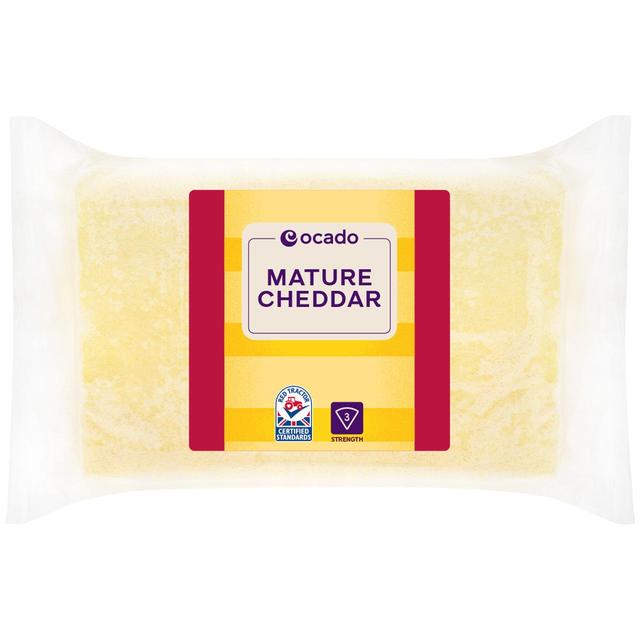
- Hard cheese such as cheddar, parmesan and other mature cheeses contains very little lactose. Most of it drains away with the whey when the cheese is made, and much of the rest is broken down as the cheese matures. Many people with lactose intolerance can eat it, and lactose-free versions are sold too, in the cheddar range.
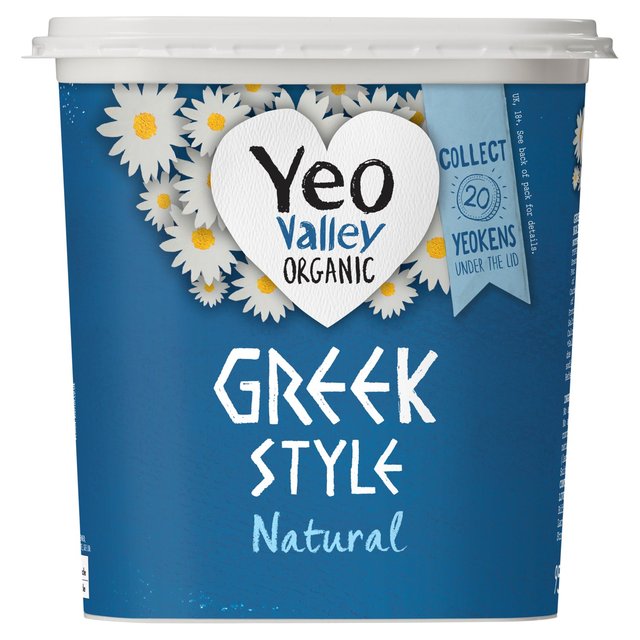
- Yoghurt contains live bacteria that produce their own lactase, so it is often easier to digest than milk. Lactose-free yoghurts are available in the lactose-free yoghurt category.
- Milk, cream, soft cheese and ice cream are higher in lactose. These are the products where a lactose-free version makes most difference.
Many people with lactose intolerance can handle a small amount of lactose, such as a splash of milk in tea, without symptoms. How much you can tolerate is individual.
Plant-based alternatives
If you would rather avoid dairy altogether, plant-based drinks and yoghurts made from soya, oats, almonds or coconut contain no lactose at all. They do differ from milk in protein and in whether calcium has been added, so read the guide to choosing a plant-based milk and look in the dairy-free milk range.
Keeping enough calcium
Milk and dairy are a major source of calcium in the UK diet. If you cut down on them:
- Choose lactose-free milk and yoghurt, which contain the same calcium as the standard versions.
- If you use plant drinks, pick ones fortified with calcium.
- Include other sources such as hard cheese, tofu set with calcium, and green leafy vegetables.
- Ask a GP or dietitian for advice if you are cutting out dairy completely, particularly for children, older adults or during pregnancy.
Quick checklist
- Lactose-free means the lactose has been broken down, not that there is no milk.
- Not suitable for a cows’ milk allergy or a vegan diet.
- Look for “lactose-free” printed on the pack.
- Hard cheese and yoghurt are often tolerated well.
- Goats’ milk is not a lactose-free alternative.
- Plant drinks contain no lactose but are only a calcium source if fortified.
- See your GP before cutting out dairy.
Common questions
Why does lactose-free milk taste sweeter?
The lactase added to the milk splits lactose into glucose and galactose. These sugars taste sweeter than lactose, so the milk tastes slightly sweeter, even though no sugar has been added.
Is lactose-free milk suitable for a milk allergy?
No. A milk allergy is a reaction to milk proteins, and lactose-free milk still contains them. People with a cows’ milk allergy need dairy-free products and should follow advice from their doctor or dietitian.
Is cheddar lactose-free?
Mature hard cheeses such as cheddar contain very little lactose and are often well tolerated. Some are labelled lactose-free, which means the producer has confirmed the level is very low. If you are very sensitive, choose those.