






Gouda and Edam
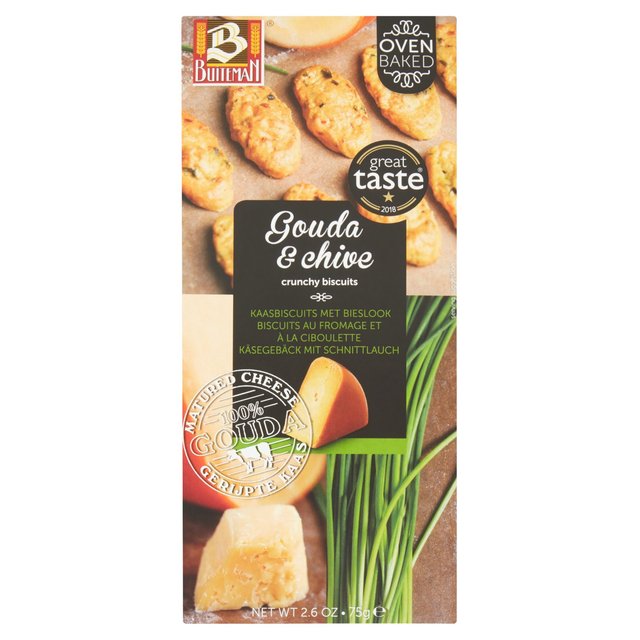
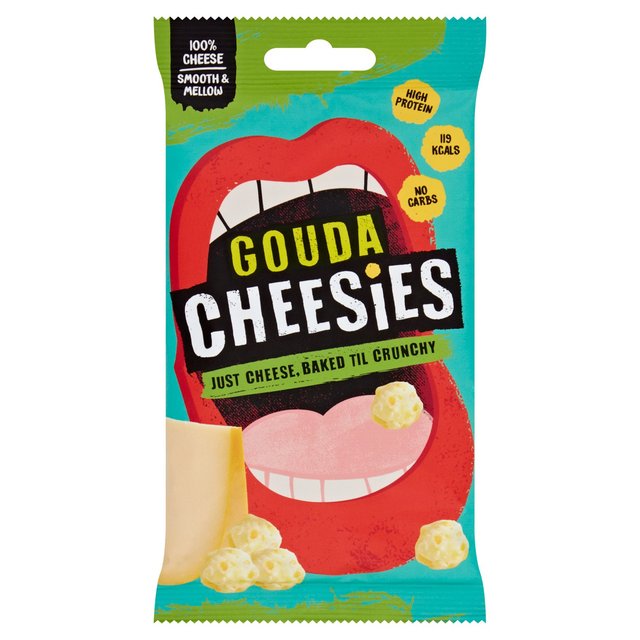
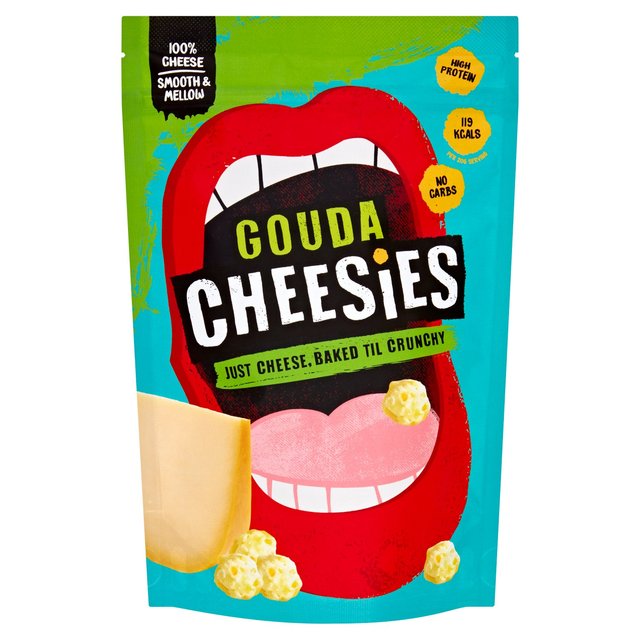
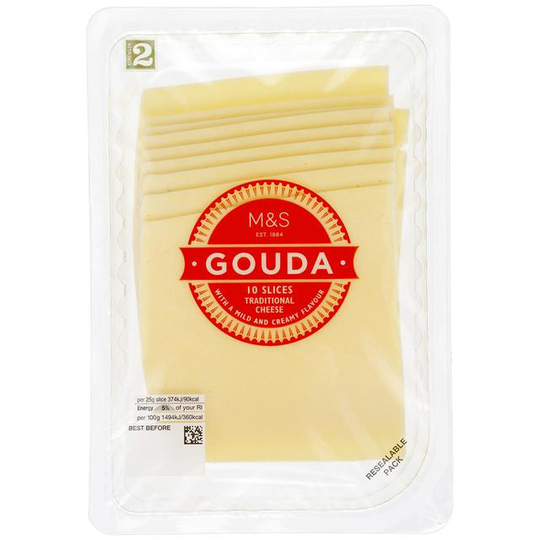
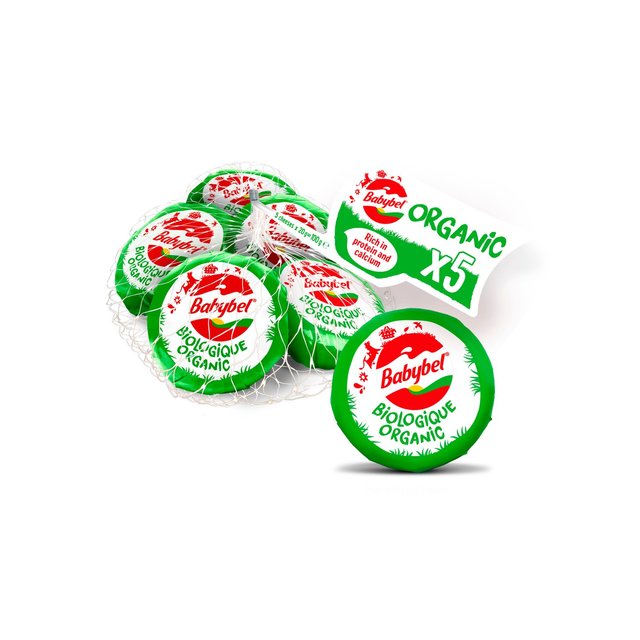
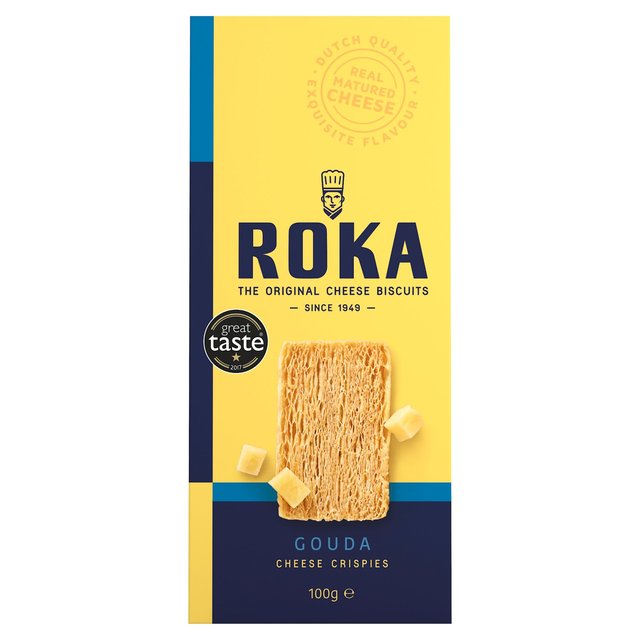
Gouda is a Dutch cheese made in wheels with a waxed rind. Young Gouda is mild, smooth and melts well, making it good for sandwiches and toasties. Aged Gouda is firmer, darker and more intense, with a caramel-like sweetness and sometimes crunchy crystals. Edam is milder and lower in fat than Gouda and is traditionally sold in small rounds coated in red wax. Remove the wax before eating. Both are made from cows’ milk and are widely copied outside the Netherlands, so the origin is worth checking on the pack if it matters to you.
Cottage cheese
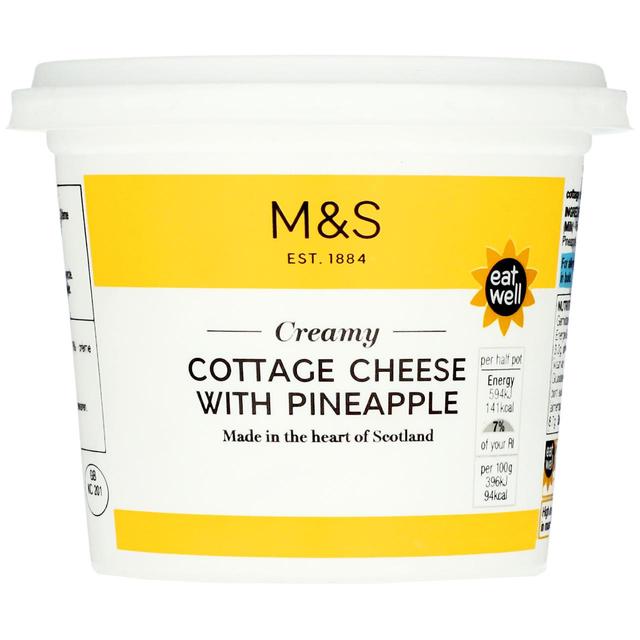
Cottage cheese is a fresh cheese with loose curds in a light, creamy dressing. It is mild, high in protein and usually lower in fat than most cheeses. Plain versions are the most flexible; flavoured ones with chives, pineapple or onion are handy for lunches. Eat it chilled and within the days printed on the tub once opened.
Choosing and using
- Melting: young Gouda melts smoothly in toasties and on burgers.
- Cheese boards: aged Gouda adds a sweet, nutty contrast to cheddar and blue cheese.
- Slices: pre-sliced Gouda and Edam are convenient for sandwiches; compare the price per kilo against a block.
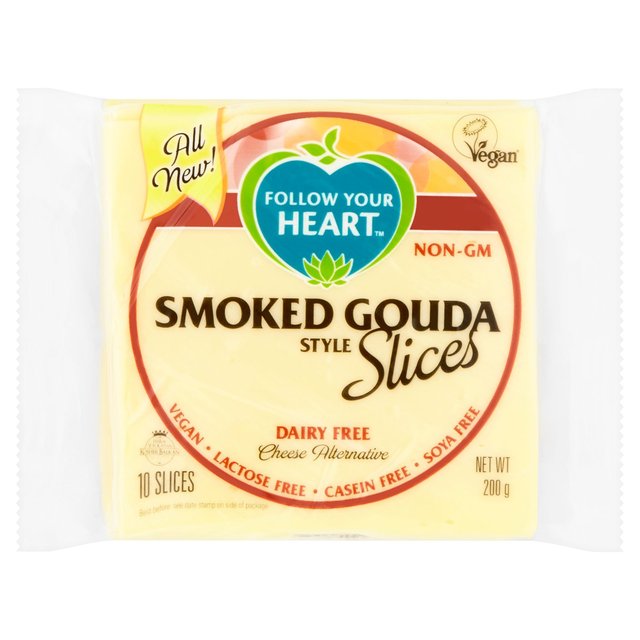
- Plant-based slices: dairy-free Gouda-style slices are made from plant oils and starch. They suit vegans but contain little protein.
Cooking with continental cheeses
Gouda and Edam both melt evenly, so they are good choices for toasties, gratins and topping burgers. Grate aged Gouda over pasta or vegetables as you would parmesan. Cottage cheese can be stirred into scrambled eggs, used in lasagne in place of ricotta, or blended until smooth for dips. When you swap one cheese for another in a recipe, choose a similar texture rather than a similar flavour for the best result.
Storage
Keep hard and semi-hard cheeses in the fridge, wrapped in paper and then loosely in a bag. Waxed rinds protect the cheese until cut; afterwards, wrap the cut face. Fresh cheeses such as cottage cheese should be kept chilled and eaten within their use-by date.
For more cheeses, browse cheddar, brie and camembert, cheese boards and the full cheese range.
Common questions
What is the difference between Gouda and Edam?
Both are Dutch. Edam is made with partly skimmed milk, so it is milder and lower in fat. Gouda is richer and becomes much stronger as it ages.
Can you eat the rind on Gouda?
Wax rinds are not edible and should be removed. Some aged Goudas have a natural rind that is hard and usually cut off too.
Is cottage cheese safe in pregnancy?
NHS advice lists pasteurised soft cheeses such as cottage cheese as safe to eat in pregnancy.