


Building a balanced board
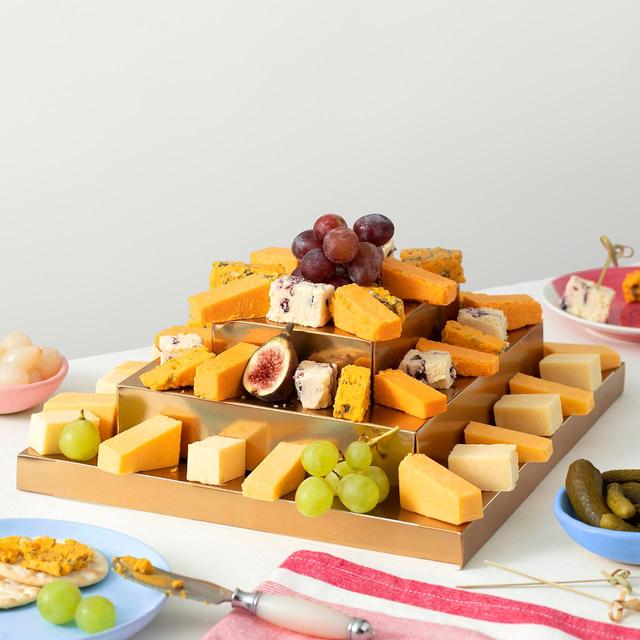
Aim for three to five cheeses with different textures and flavours:
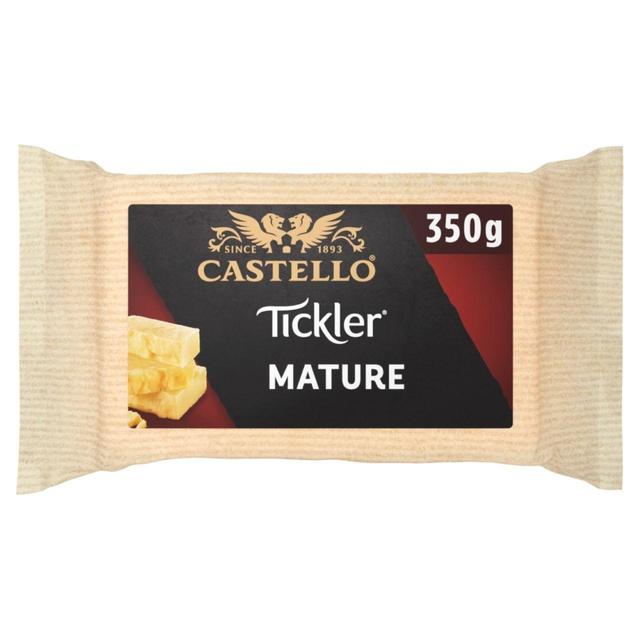
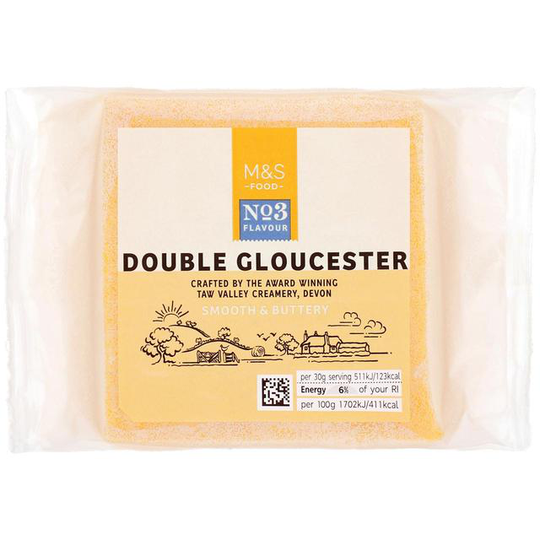
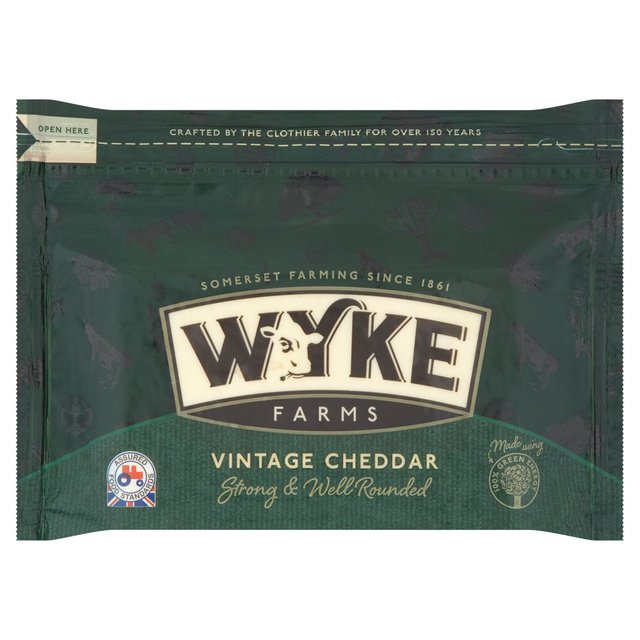
- A hard cheese: a mature or vintage cheddar, or an aged Gouda or Manchego.
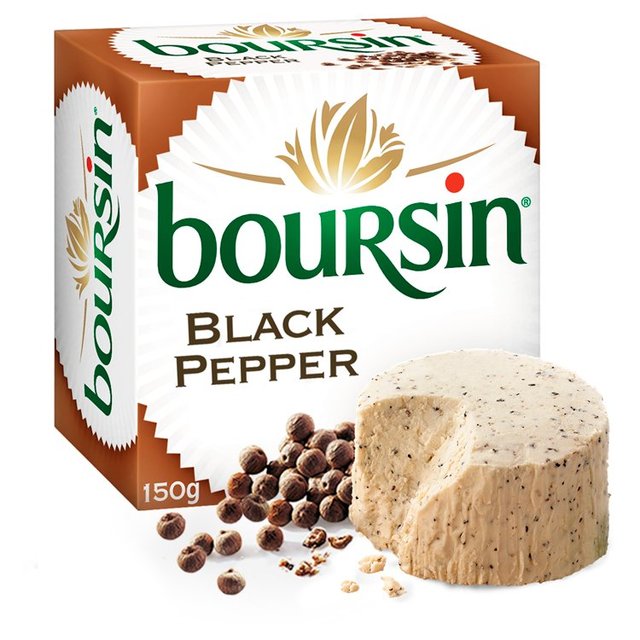
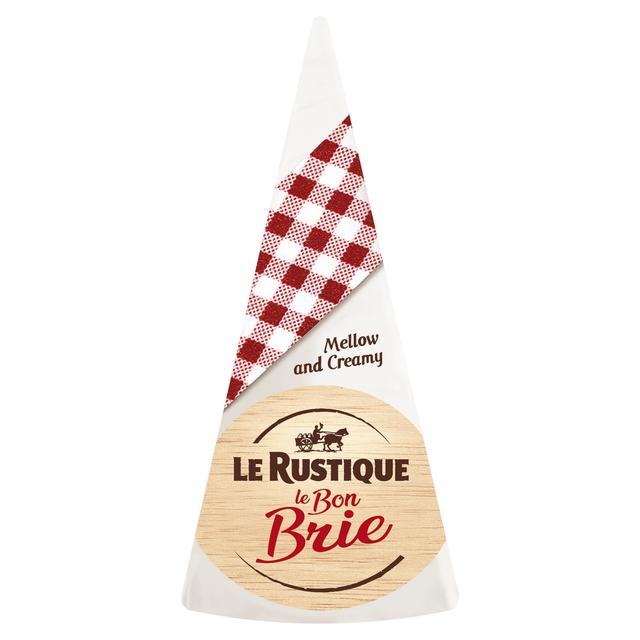
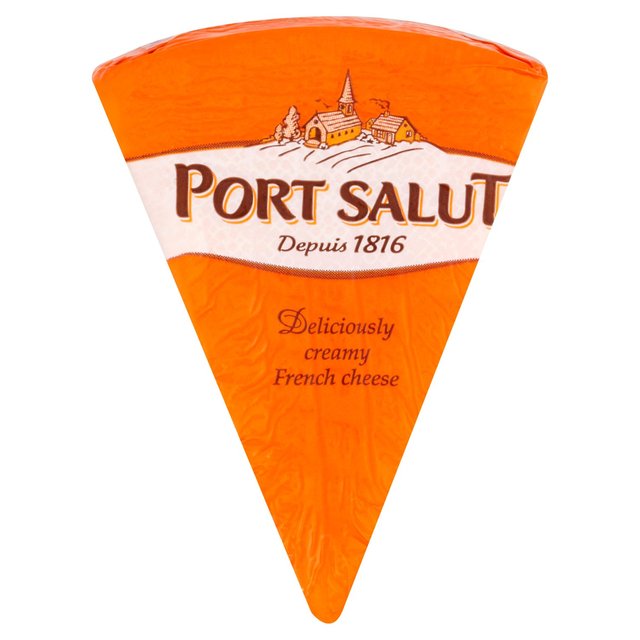
- A soft cheese: brie or camembert.
- A blue cheese: Stilton or a milder creamy blue.
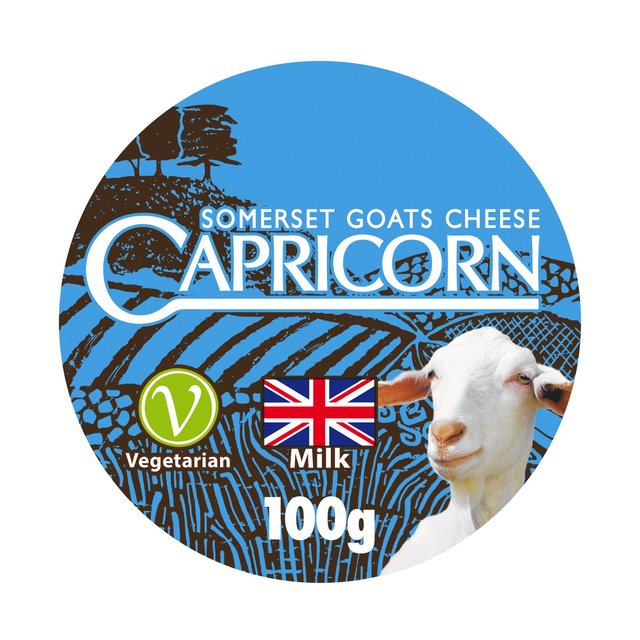
- A goats’ or sheep’s cheese: a goats’ cheese log or a firm sheep’s cheese for something tangy.
- A wildcard: a flavoured or washed-rind cheese for variety.
Ready-made selections save time and let you try several cheeses without buying whole wedges.
Accompaniments
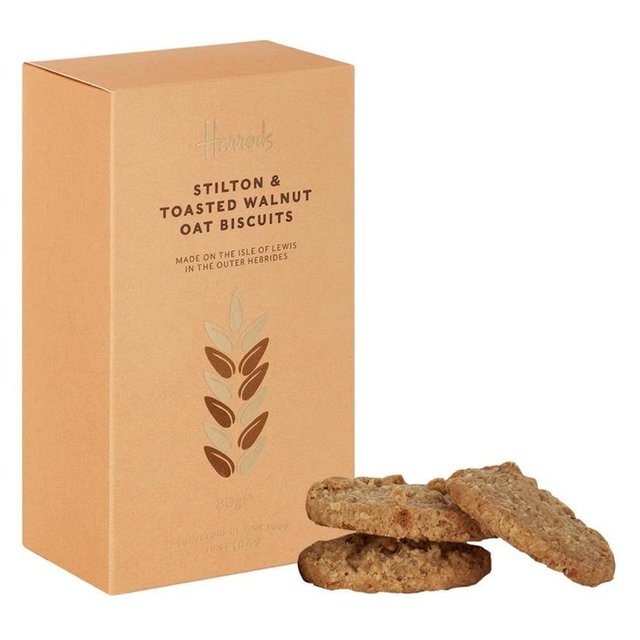
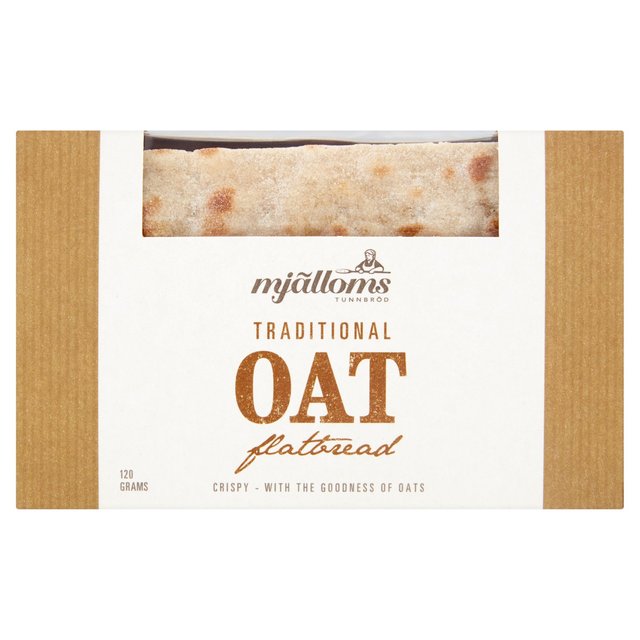
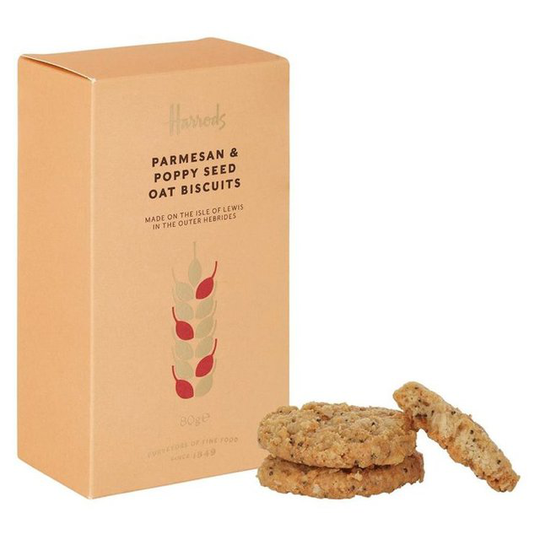
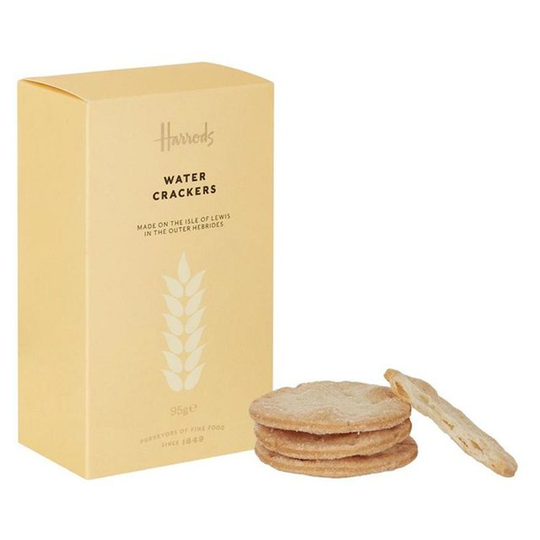
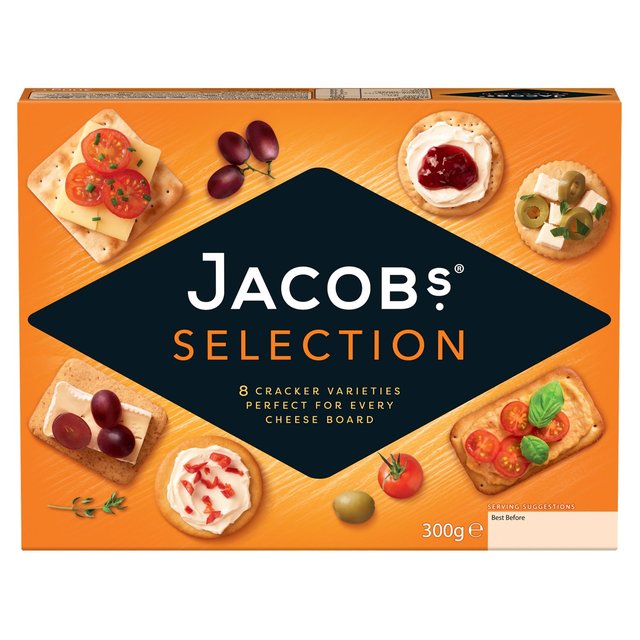
- Plain crackers, oatcakes or crusty bread that do not overpower the cheese.
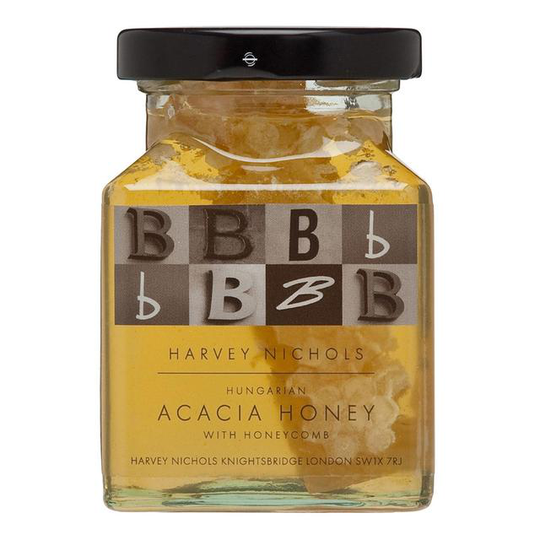
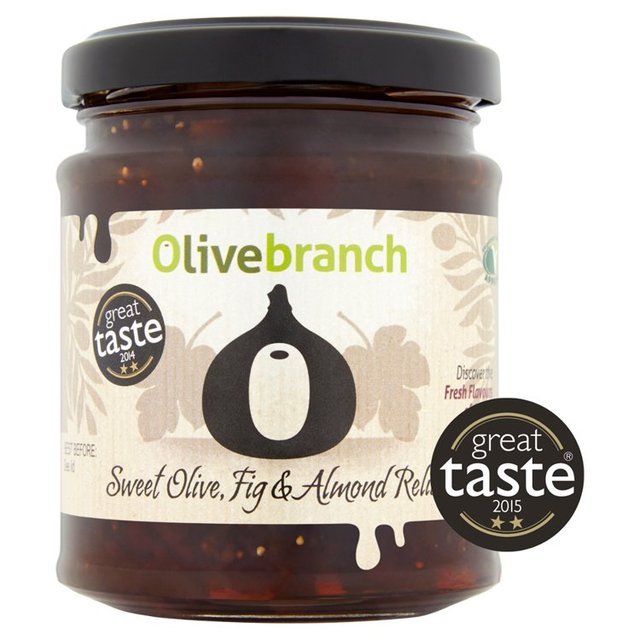
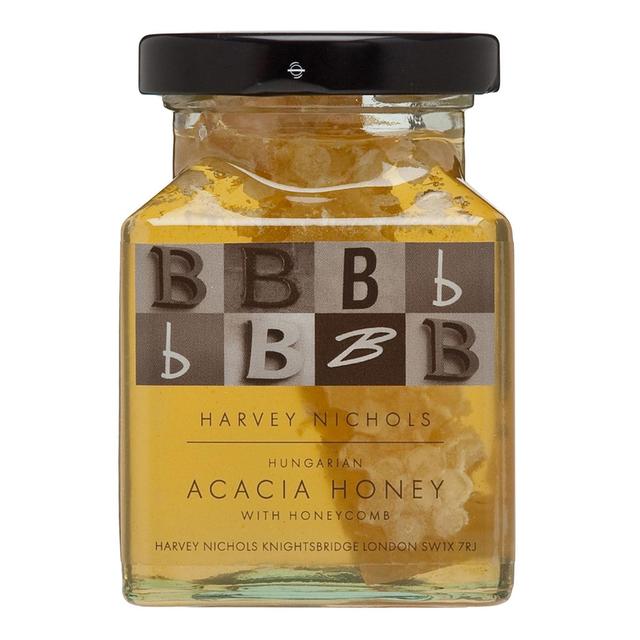
- Something sweet: chutney, quince paste, honey, grapes, figs or apple slices.
- Something crunchy: nuts or celery.
Put strong and mild cheeses at opposite ends and give each one its own knife so flavours do not mix.
Serving tips
Take the cheeses out of the fridge about an hour before serving, keeping them wrapped until the last minute so they do not dry out. Cut a few slices to start each cheese off so guests can see the texture. Serve the board after the main course or as a light meal with salad.
Pregnancy and dietary needs
If anyone at the table is pregnant, NHS advice is to avoid mould-ripened soft cheeses like brie and camembert and soft blue cheeses unless cooked until steaming hot. Hard cheeses such as cheddar are fine. Check labels for vegetarian rennet if you have vegetarian guests.
How much to buy
Buying too much is the most common mistake. Think about when the board is served: after a big meal people eat far less than when the cheese is the main event with bread and salad. Ready-made selections give smaller pieces of several cheeses, which helps avoid leftovers, while whole wedges work out cheaper per kilo if you have a larger group. Compare the weight and the price per kilo on the shop’s page before you choose.
Leftovers
Rewrap each cheese separately in wax or baking paper and return it to the fridge. Use leftover hard cheese in cooking, and eat soft cheese within a few days.
For individual cheeses, see cheddar, brie and camembert, feta and goats’ cheese and Gouda and others. The blog post on building a cheese board has more ideas.
Common questions
How many cheeses should a cheese board have?
Three to five is enough for most occasions. Choose a hard, a soft, a blue and a goats’ or sheep’s cheese for variety.
How long can a cheese board be left out?
Cheese is best served at room temperature but should go back in the fridge after a couple of hours, especially soft cheeses in a warm room.
What goes well with a cheese board?
Plain crackers or bread, chutney or honey, fresh or dried fruit and a few nuts give contrast without overpowering the cheese.