Cows’ milk in the UK, part of the wider dairy range, comes in a handful of standard types, and the main thing that separates them is fat. Whole milk has at least 3.5% fat, semi-skimmed sits between 1.5% and 1.8%, and skimmed has no more than 0.5%. Those bands are set in law, so a pint of semi-skimmed from one dairy is close to a pint from any other.
Everything else on the label, such as organic, filtered, long life or Jersey, describes how the milk was produced or processed rather than how much fat it contains. Pick the fat level first, then decide on the extras that matter to you.
If you are not sure, semi-skimmed is the all-rounder: fine in tea and coffee, on cereal and in most cooking. Whole milk gives a richer taste and works best in sauces, rice pudding and foamed coffee. Skimmed suits people who want the lowest fat option and do not mind a thinner taste.
The fat levels side by side
| Milk | Fat content | Typical cap colour | Good for |
|---|---|---|---|
| Whole | At least 3.5% | Blue | Young children, sauces, baking, frothy coffee |
| Semi-skimmed | 1.5% to 1.8% | Green | Everyday drinking, tea, cereal |
| 1% | About 1% | Orange | A lighter option between semi and skimmed |
| Skimmed | 0.5% or less | Red | Lowest fat, thinner taste |
Cap colours are a convention used by most UK dairies and supermarkets, not a legal rule, so always check the words on the label. You will find all four in the milk range.
Lower-fat milks are not lower in calcium. The fat is removed, but the protein, calcium and most other nutrients stay in the milk, so the choice is mainly about taste, calories and what you are using it for.
Fresh, filtered or long life
- Fresh pasteurised milk is heated briefly to kill harmful bacteria, then chilled. It has the freshest taste and a use-by date of around a week to ten days from bottling.
- Filtered milk is passed through fine filters before pasteurisation, which removes more bacteria and gives a longer shelf life in the fridge. Many people find it tastes slightly creamier.
- Long life (UHT) milk is heated to a much higher temperature for a few seconds and packed in sealed cartons. Unopened, it keeps for months in the cupboard. Once opened, treat it like fresh milk and use it within a few days. It has a slightly cooked taste that some people notice in tea.
Long life milk, like most long life plant-based drinks, is handy as a back-up in the cupboard, for camping or for an office kitchen. For daily drinking, most households prefer fresh or filtered.
Organic, Jersey and goats’ milk
Organic milk comes from cows farmed to organic standards, which set rules on grazing, feed and the use of medicines and fertilisers. The fat levels are the same as conventional milk. Whether it is worth the extra cost is a personal choice about farming methods rather than nutrition on the label.
Jersey and Guernsey milk come from breeds known for richer milk with more cream, and it often has a higher fat content than standard whole milk. Check the label if you are watching fat.
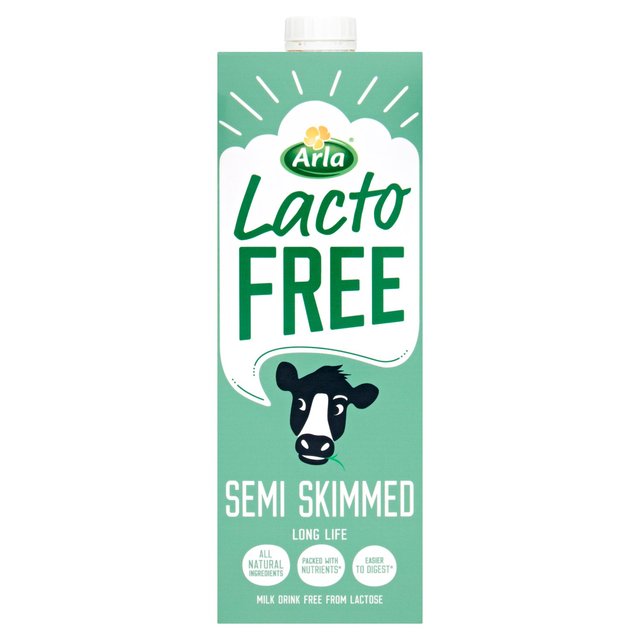
Goats’ milk has a stronger, slightly tangy taste and is sold whole or semi-skimmed. It is not lactose-free and not suitable for people with a cows’ milk allergy, because the proteins are similar. If you need to avoid lactose, look at lactose-free milk or see the guide to lactose-free dairy instead.
Milk for babies and young children
The NHS gives clear advice here:
- Cows’ milk can be used in cooking from around 6 months, but should not be a main drink before 12 months.
- From 1 year, pasteurised whole or semi-skimmed milk can be given as a main drink.
- Skimmed and 1% milk should not be the main drink for children under 5, because they do not contain enough calories. They can be used in cooking from age 1.
- Pasteurised goats’ and sheep’s milk can be a main drink from age 1, but not before.
If your child has an allergy, intolerance or a medical diet, ask your GP, health visitor or a dietitian before switching milks.
Storing milk so it lasts
- Keep milk in the fridge at 5°C or below. The door is the warmest part of most fridges, so if your milk goes off early, move it to a shelf.
- Put it back in the fridge straight after use rather than leaving it on the table.
- Go by the use-by date on fresh milk, and use opened cartons of long life milk within the number of days printed on the pack.
- Milk freezes well for up to about a month. Defrost it in the fridge and shake it before use, because the fat can separate.
For cheese and butter storage, the blog post on storing cheese, butter and milk has more detail.
Flavoured milk and milkshakes
The flavoured milk range includes chocolate and strawberry milks and ready-to-drink shakes. They are made with milk, so they contain the same protein and calcium, but most also contain added sugar. Check the nutrition panel if you buy them for children, and treat them as an occasional drink rather than an everyday replacement for plain milk.
Quick checklist
- Choose the fat level first: whole, semi-skimmed, 1% or skimmed.
- Read the words on the label, not just the cap colour.
- Fresh or filtered for daily use, long life as a cupboard back-up.
- Whole or semi-skimmed for children from 1 year; no skimmed or 1% as a main drink under 5.
- Goats’ milk is not a lactose-free or allergy-friendly option.
- Store at 5°C or below, on a shelf rather than in the door.
- Check sugar on flavoured milks.
Common questions
Is semi-skimmed milk healthier than whole milk?
Semi-skimmed has less fat and fewer calories, but similar protein and calcium. Which suits you depends on your overall diet. For adults following general healthy eating advice, lower-fat milks are a common choice; for children aged 1 to 2, whole milk is often preferred.
Why does filtered milk last longer?
Filtering removes more of the bacteria that make milk sour before it is pasteurised, so an unopened bottle keeps longer in the fridge. Once opened, it should still be used within the time on the label.
Can I freeze milk?
Yes. Freeze it in its plastic bottle with a little space at the top, use it within about a month, and thaw it in the fridge. Shake well before use, as the texture can change slightly.